Teide's Seismic Activity: Unraveling the Mystery of Gases Driving Vibrations and Deformations
Mount Teide, the majestic stratovolcano dominating the landscape of Tenerife, has long been a subject of fascination and scientific scrutiny. Recently, a surge in seismic activity, characterized by subtle vibrations and ground deformations, has once again drawn the attention of volcanologists and the public alike. While such tremors might naturally spark concerns about an impending eruption, scientists from institutions like the Instituto Volcanológico de Canarias (Involcan) and the Instituto Geográfico Nacional (IGN) confirm a different, yet equally compelling, explanation: the dynamic interplay of volatile gases deep within the volcano's plumbing system. This intricate dance of subsurface gases is the primary driver behind the observed seismic phenomena, painting a picture of an active, breathing volcano, but one not on the brink of an immediate eruptive event.
Unraveling Teide's Recent Seismic Unrest
The recent increase in Teide's seismic activity has become a focal point for researchers over the last decade, with intensified analysis since 2016. What exactly are scientists observing? Beyond the numerous low-magnitude tremors—sometimes numbering in the hundreds over short periods—there's evidence of noticeable ground deformation and even peculiar "stomach growl"-like noises emanating from the mountain. These audible signals are a testament to the immense pressure building beneath the surface, a direct consequence of gas accumulation.
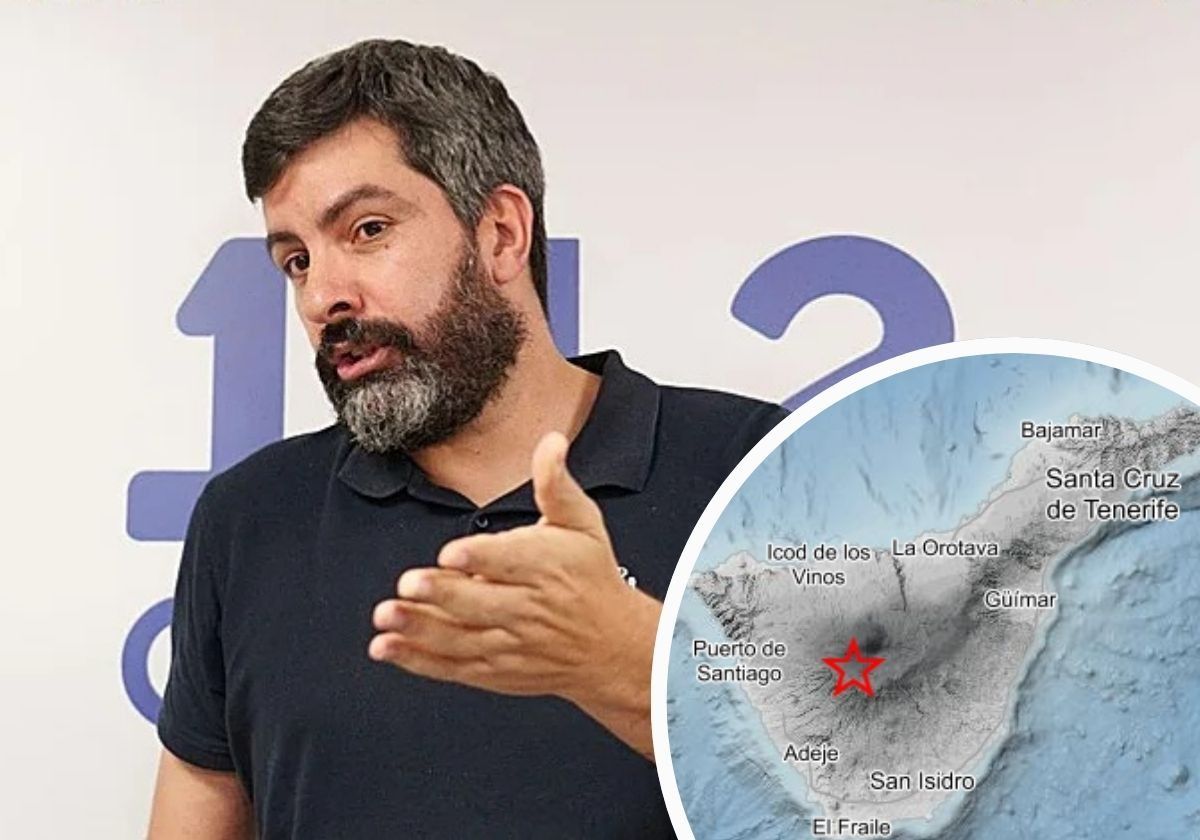
Luca D'Auria, a distinguished seismologist at Involcan, has been instrumental in shaping the prevailing scientific hypothesis. His team's findings point away from magma intrusion, which typically precedes an eruption. Instead, the focus is squarely on the hydrothermal system, a network of hot water and steam, situated over 30 kilometers beneath Teide. It's within this deep reservoir that volatile gases accumulate, exerting pressure that manifests as seismic vibrations and visible changes to the volcano's edifice.
The continuous monitoring of this actividad sísmica Teide provides critical insights into the volcano's internal state. These aren't random occurrences but rather part of a pattern that experts are meticulously documenting, ensuring public safety and furthering our understanding of volcanic dynamics.
The Gas Hypothesis: A Deep Dive into Teide's Subsurface Pressure Cooker
The core of the scientific explanation lies in the deep accumulation of volatile gases. Since 2016, experts have noted a gradual yet persistent increase in gas buildup within the hydrothermal system. This rising gas volume translates directly into escalating internal pressure. Imagine a massive, subterranean pressure cooker: as the gases expand, they push against the surrounding rock, causing it to vibrate and shift. This is the underlying mechanism for the "small earthquakes" and the characteristic seismic swarms detected around Teide.
Itahiza Domínguez, director of the IGN, has highlighted the tangible effects of this pressure: ground deformation. In 2023, the area around Teide experienced a deformation of one centimeter, a figure that has since doubled to two centimeters. While two centimeters might seem negligible, it's a significant indicator of the forces at play beneath the surface. D'Auria clarifies that the pressure generated by these gases is entirely sufficient to account for the observed deformation, which originates at a relatively shallow depth of approximately one kilometer.
To put this into perspective, Domínguez draws a crucial comparison to the eruption on La Palma, where a much more rapid deformation of 30 centimeters was recorded over a significantly shorter period. This contrast underscores that Teide's current deformation is a "very slow process," characteristic of gas-driven activity rather than imminent magma ascent.
Understanding this gas-driven process is crucial for tourists and residents. It means that while the volcano is active and monitored, the observed phenomena are typical for a complex volcanic system and do not signal an immediate threat. The continuous monitoring by Involcan and IGN ensures that any significant shift would be detected swiftly.
Decoding New Seismic Patterns: Low-Frequency Pulses and Continuous Activity
Beyond the typical tremors, scientists have identified novel patterns of seismic activity: low-frequency seismic pulses. These distinct movements, previously observed intermittently in Teide, are now being recorded continuously. While anomalous, experts are quick to clarify that these pulses are not indicative of pre-eruptive activity. Instead, their continuous presence serves as a powerful reminder that Teide remains a geologically active volcano.
The ability to differentiate between various types of seismic signals is a cornerstone of modern volcanology. High-frequency tremors often indicate rock fracturing, while low-frequency signals can be associated with fluid movement (like gas or magma) or resonance within underground cavities. The identification of continuous low-frequency pulses suggests persistent fluid dynamics within Teide's plumbing system, an ongoing "conversation" between the mountain and the forces beneath.
This nuanced understanding of seismic data allows scientists to build a more comprehensive model of Teide's internal workings. It highlights the sophistication of current monitoring techniques, which leverage a network of seismographs, GPS stations, and gas sensors to provide real-time data on the volcano's behavior. This ongoing vigilance ensures that any change in the patterns of actividad sísmica Teide would be immediately flagged and analyzed.
Is an Eruption Imminent? Expert Reassurance and Future Monitoring
The question on everyone's mind is naturally: does this seismic unrest mean an eruption is on the horizon? Both Luca D'Auria and Itahiza Domínguez unequivocally state that, based on current data, there is no indication of an imminent volcanic eruption in the short to medium term. This reassurance is grounded in a deep understanding of volcanic precursors.
For a new eruption to occur, scientists anticipate much more pronounced signals across multiple parameters. These would include:
- Significantly higher seismicity: Earthquakes would not only be more numerous but also stronger and potentially perceptible to humans for days or even weeks, a pattern not seen in Teide over the past decade.
- Accelerated deformation: Ground deformation would increase much more rapidly and to a greater extent than the current slow, centimeter-scale changes.
- Increased gas emissions: Noticeable changes in the volume and composition of gases released from fumaroles would be expected.
Domínguez reminds us that historical eruptions have been preceded by clear, perceptible seismic events. The absence of such clear signals currently allows experts to conclude that, while Teide is an active volcanic system, it is not exhibiting signs of immediate eruptive activity.
The continuous and sophisticated monitoring efforts by Involcan and IGN are paramount. They provide the public with accurate, science-based information, preventing undue alarm. For anyone planning a visit to Tenerife or residing on the island, understanding that these seismic events are part of a normal, ongoing geological process for a live volcano like Teide is key. The scientific community's diligent work ensures that any genuine shift towards an eruptive phase would be detected early, allowing for timely warnings and preparedness.
In conclusion, while Teide's recent seismic activity, including subtle vibrations, ground deformations, and low-frequency pulses, might seem alarming, it is a testament to the dynamic internal processes of this active volcano. Scientists confirm that these phenomena are primarily driven by the accumulation and pressure of volatile gases deep within its hydrothermal system, not by magma intrusion signaling an imminent eruption. The slow pace of deformation, coupled with the nature of the seismic signals, provides significant reassurance that no short-to-medium-term eruption is on the horizon. Ongoing, rigorous scientific monitoring remains crucial, allowing experts to continuously track Teide's pulse and provide reliable, evidence-based assessments of its behavior. This vigilance allows both residents and visitors to appreciate the majestic beauty of Teide with confidence, knowing its activity is thoroughly understood and managed.